High-Protein Meal Plan: A Week of Real Meals, No Shakes
Three ordinary meals can carry a whole day's protein. In this week of Solin recipes, breakfast, lunch and dinner add up to 111 to 120 g of protein a day, with no shakes and no 1,200-calorie rules. If your protein number is lower, eat less of dinner. If it's higher, add a snack.
Your 7-day high-protein meal plan
Every recipe here is one serving, made by a Solin member with Solin's AI.
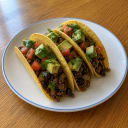
You're probably cooking for more than one, so two dinners are built to stretch. Make the Day 2 chili and the Day 5 tacos for everyone, then pack one serving for the next day's lunch. Grab the protein taco shells the recipe calls for: they're how the tacos get to 30 g.
Day 1
Breakfast
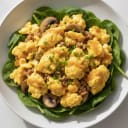
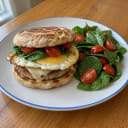
Savory Egg and Veggie Breakfast Bowl
Day 2
Breakfast
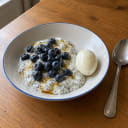
Honey blueberry chia yogurt bowlDinner
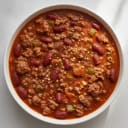
Slow Cooker Beef Chili
Day 3
Breakfast
Oat Protein Pancakes with BerriesLunch, leftovers
Slow Cooker Beef Chili

Day 4
Breakfast
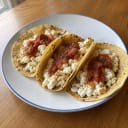
Egg white and salsa tacosLunch
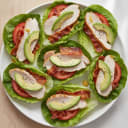
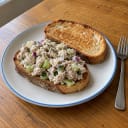
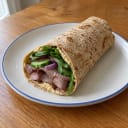
Classic tuna salad
Day 5
Breakfast
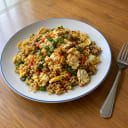
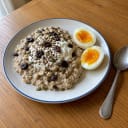
Ramen noodle egg scramble
Day 6
Lunch, leftovers
Beef and black bean tacos

How to fit the plan to your protein number
The US Dietary Guidelines for 2025 to 2030 set protein at 1.2 to 1.6 g per kilogram of body weight a day.
Find your weight on the chart. If you already have a number, from an app or from us, use that one. Still not sure? Our guide on how to track macros walks you through it. Then:
- Your number is in the shaded band: eat the plan as it's written.
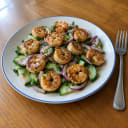
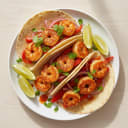
- Your number is lower: eat less of dinner, or swap in the lightest one, the shrimp tacos at 28 g. Under 100 g? Trimming dinner won't get you there. Eat two-thirds of every meal instead, and each day comes to 74 to 80 g.
- Your number is higher: add one of the snacks below. Each brings 27 to 37 g.
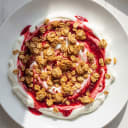

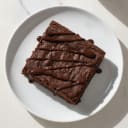
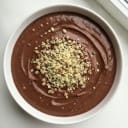
In 28 trials, eating more protein didn't harm kidney function in healthy adults.
Why every meal gets 28 g or more
A lot of us eat light all day and make up for it at dinner. The new US guidelines say it plainly: "Prioritize Protein Foods at Every Meal." For people who exercise, the International Society of Sports Nutrition suggests 20 to 40 g of protein at a time.
In one small study, 8 adults ate the same protein two ways for a week each: mostly at dinner, or spread across the day. Spread out, their bodies built muscle protein 25% faster over 24 hours. That's one lab measure in 8 people, not muscle you can see in a week. Still, it's an easy habit to copy, and it's the one this whole week is built on.
Protein-heavy meals are a little more filling, too. A 2015 review found people felt fuller after higher-protein meals, but found no support for an effect on how much they ate at their next meal. So it helps. It isn't magic.
Hungry? Eat more. That's the point.
The three meals come to 1,098 to 1,647 calories a day. That's not a target, and it's not meant to be all you eat. Add fruit, toast, rice, a bigger portion or a snack until it matches your hunger and your calorie number.
The protein is set. Everything else bends to you. Strong, not starving.
If you're eating less to lose weight, protein still earns its spot. In a review of 24 trials, adults on lower-calorie diets who ate more protein kept about 0.43 kg (1 lb) more lean mass, the muscle and other tissue that isn't fat.
Swap any meal and keep the protein
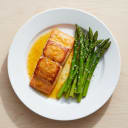
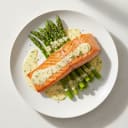
Don't like salmon? Swap it. Trade a meal for another from the same slot, breakfast for breakfast, and the day stays close. Solin's high-protein recipes run big. Across our six high-protein collections, half of the breakfasts, lunches and dinners have 49 g of protein or more per serving, and 106 of the 111 have 30 g or more.
Start with the high-protein dinners or the high-protein breakfasts.
Build this week at your own numbers
The free Meal Planner takes your calories and protein and gives you 7 days of breakfast, lunch, dinner and dessert from Solin recipes, with every day's totals. No account needed.
Open the free Meal Planner